
The Complete Guide to Pipe Flanges: Types, Standards, Materials, and Selection
Comprehensive pipe flanges guide covering materials, types, sour service stainless forged flanges, and standard pressure classes for industrial use.
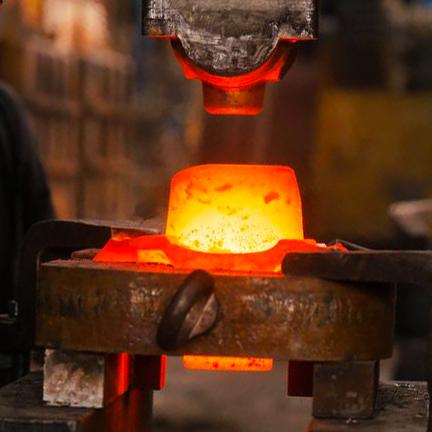
Forged Fittings vs. Cast Fittings: Which Is Right for Your Industrial Application?
Compare forged vs cast fittings for industrial piping. Learn about grain structure, pressure ratings, ASME standards, and durability to choose the best.

Stainless Steel Grades Explained: Choosing the Right Grade for Fittings
Understand SS 304, 316, 316L, and duplex grades for pipe fittings. Learn how to select the right grade for your corrosion and pressure requirements.

High-Pressure Pipe Fittings for Oil & Gas: Safety & Standards
Discover essential oil refinery fittings and oil and gas pipe components. Read our complete guide for material specifications and applications.

Butt-Weld Fittings Guide: Welding Standards & Quality Control
Learn how butt weld pipe fittings work, including welding standards, dimensions, and visual inspection criteria for weld joint penetration.

Alloy Steel Pipe Fittings for Power Generation: Materials & Standards
Technical guide to alloy steel fittings in power plants. Learn about high-temperature grades P91, F22, F11, IBR compliance, and flow-accelerated corrosion.
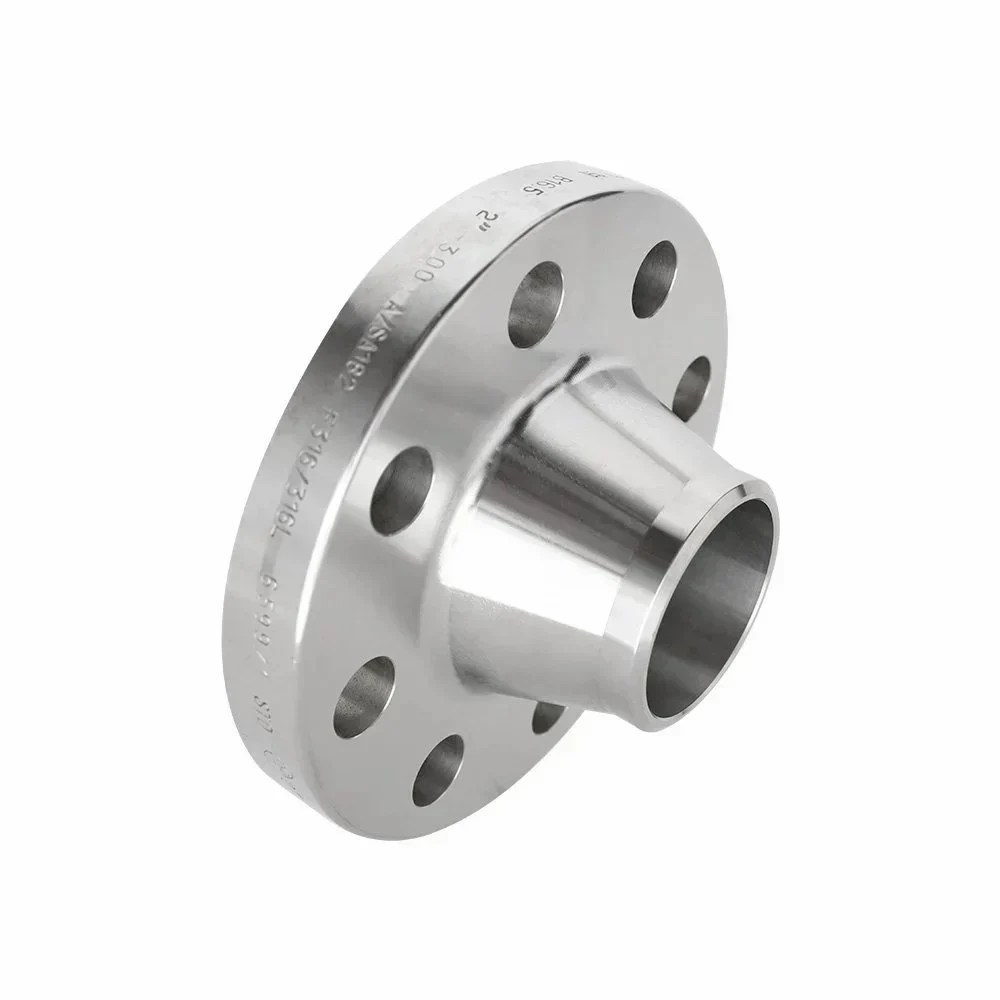
Weld Neck vs. Slip-On Flange: Strength, Fatigue & Cost Analysis
Engineering comparison between WNRF and SORF flanges. Fatigue endurance, welding labor, stress concentration, and ASME B16.5 application guidelines.

ASTM A105 vs. ASTM A350 LF2: Low Temperature Service Comparison
Choosing carbon steel forged flanges for standard ambient service (A105) vs sub-zero low temperature service (A350 LF2 Class 1 Charpy V-notch tested at -46°C).
Duplex vs. Super Duplex: PREN, Strength & Corrosion Comparison
Compare Duplex 2205 vs Super Duplex 2507 for seawater, marine, and offshore piping. Pitting Resistance Equivalent (PREN ≥ 40), yield strength, and weight savings.
The Complete Guide to IBR Approved Pipe Fittings & Flanges
Indian Boiler Regulations 1950 statutory compliance: Form III-C certification, raw material pedigree, hydrostatic testing, and high-pressure steam line rules.

MTC EN 10204 Explained: Types 2.1, 2.2, 3.1 & 3.2 Certificates
Understand Mill Test Certificates for steel piping. Specific vs non-specific inspection, independent QC validation, and third-party inspection (Lloyds, DNV, TUV).

Flange Pressure Classes: Class 150, 300, 600, 900, 1500 & 2500#
Demystifying ASME B16.5 pressure ratings. Operating pressure-temperature derating, hydrostatic shell test formulas, and avoiding costly piping class mismatches.
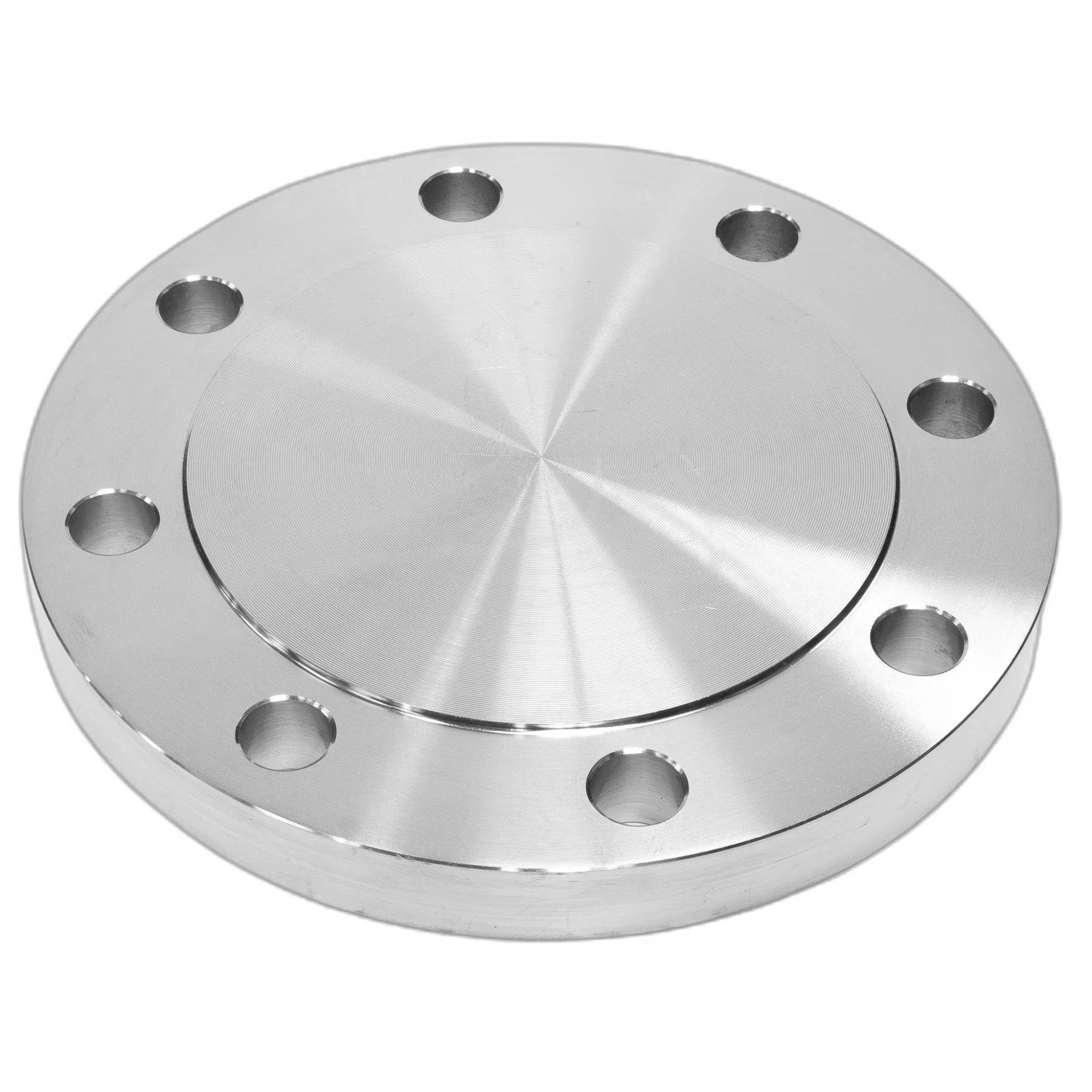
Flange Face Types: Raised Face, Flat Face, RTJ & Tongue-and-Groove
Engineering guide to ASME B16.5 flange facings. RF vs FF gasket loads, Ring Type Joint metal-to-metal sealing, surface serrations (AARH/Ra), and cast iron protection.

ASME B16.5 vs. ASME B16.47: Standards, Sizes & Series A vs. B
Comparing standard-bore flanges up to NPS 24 vs large-diameter flanges up to NPS 60. Series A (MSS SP-44) vs Series B (API 605) dimensional mismatch warnings.

Hardox 400 vs. Hardox 450: Hardness & Wear Life Comparison
Abrasion resistant wear plate metallurgy. The 50 HBW hardness difference, sliding wear life gains, impact toughness, cold bending, and truck body down-gauging.