Blind Flange Manufacturer in India
Key Features
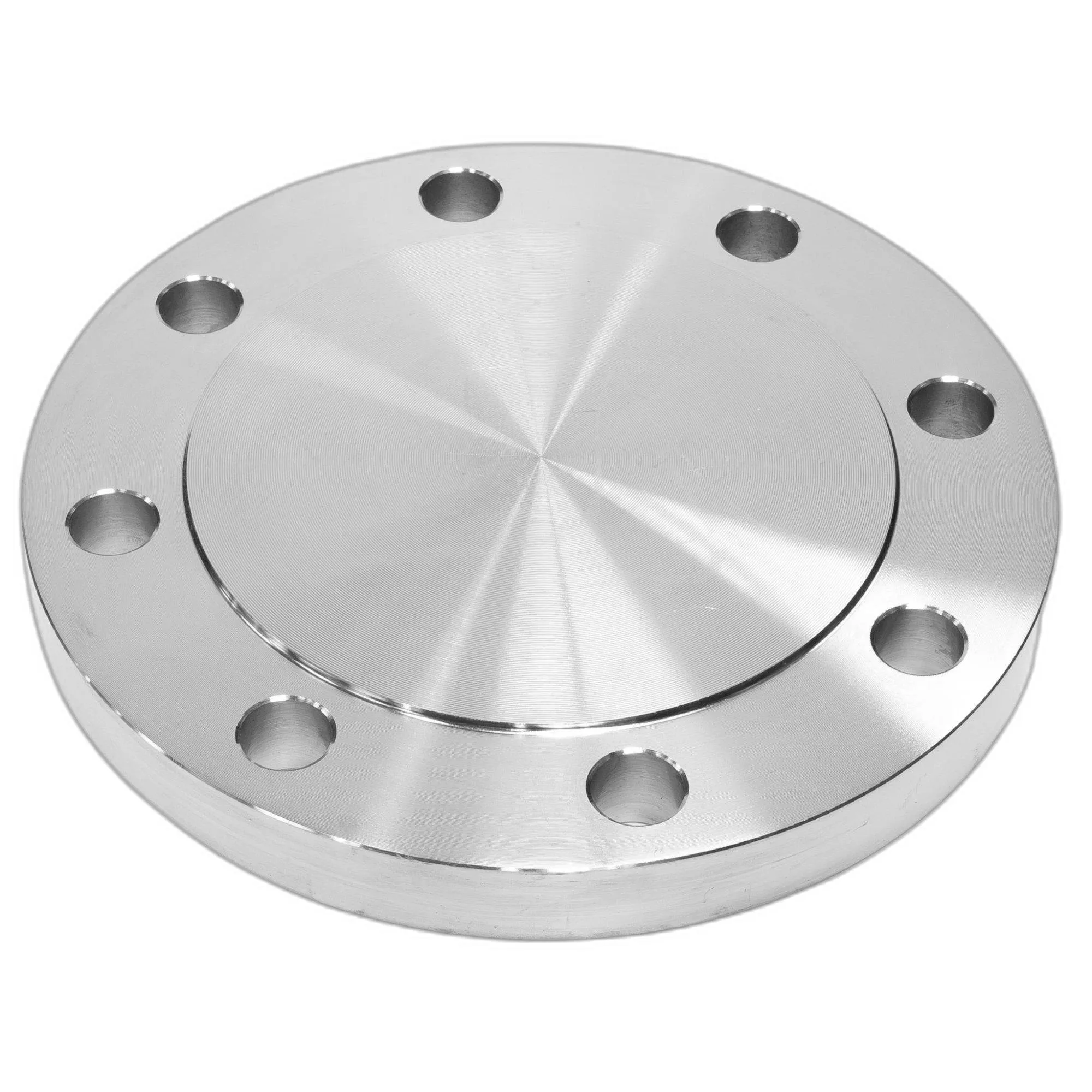
No bore — solid plate design
The only flange with NO central opening. Withstands full system pressure applied across the entire plate area.
Thickness increases at higher classes
Blind flange thickness doubles from Class 150# to 300# and increases 4–5× from 150# to 900#. Always specify class when ordering.
Permanent closure or temporary isolation
Use for permanent pipe dead-ends, hydrostatic pressure testing, or maintenance blanking of vessel nozzles.
What is a Blind Flange?
A Blind Flange (BL Flange) is a solid plate used to seal — or "blank off" — the open end of a pipe, vessel nozzle, or valve. It is the only flange type with NO bore (no central opening). Despite having no opening, blind flanges must withstand full system pressure applied across the entire plate area, which means they must be significantly thicker at higher pressure classes.
Industry Abbreviations
Critical Technical Points Buyers Need to Know:
- Under pressure, a blind flange behaves like a "plate under uniform load" — bending stress is maximum at center
- At higher pressure classes (900#, 1500#, 2500#), thickness increases dramatically — this is normal and required by code
- Blind flanges must have the same ASME class as the mating flange — never mix classes
- Can be used with a vent/drain hole (drilled in center) for pressure equalization before removal
- Used as a PERMANENT closure OR a TEMPORARY isolation during pressure testing
- For repeated use isolation (maintenance cycling), consider Spectacle Blind instead
Important: Thickness & Weight Vary Significantly by Class
Blind flange thickness doubles from Class 150# to 300# and increases 4–5× from 150# to 900#. Always specify your pressure class when ordering — the weight and price difference is significant. A 12" NPS blind flange weighs ~22 kg at Class 150# but ~100+ kg at Class 900#.
🔗 For frequent maintenance cycling, see our Spectacle Blind Flange. For high-pressure pipe connections, our Weld Neck Flange is code-mandated. Compare our complete flange range.
Standard Specifications
Remax Forge & Fittings manufactures forged Blind Flanges to international standards. The table below answers the most common buyer questions in one place:
| Property | Detail |
|---|---|
| Product Names | Blind Flange, BL Flange, Dummy Flange, Blank Flange, Blind Plate Flange |
| Size Range | ½" (15 NB) to 60" (1500 NB) |
| Pressure Classes | 150#, 300#, 400#, 600#, 900#, 1500#, 2500# (ASME B16.5); PN6 to PN400 (DIN/EN) |
| Face Types | RF (Raised Face), FF (Flat Face), RTJ (Ring Type Joint); T&G and M&F available |
| Standards | ANSI/ASME B16.5, B16.47, DIN, EN 1092-1, JIS, BS, API |
| Vent/Drain | Optional center hole with NPT plug — for pressure equalization before removal |
| Optional Bore | Can be supplied with partial bore for future nozzle use |
| MTC | EN 10204 3.1 standard; 3.2 on request; NACE MR0175/MR0103 available |
| Lead Time | 7–14 days standard; thicker higher-class flanges may need 3–4 weeks |
Blind Flange Material Grades
We forge industrial Blind Flanges in a wide variety of metallic materials — Stainless Steel, Duplex, Super Duplex, Carbon Steel (LTCS & high yield), Alloy Steel, and corrosion-resistant Nickel Alloys (Inconel, Hastelloy, Monel):
| Material Category | Grades / Specifications |
|---|---|
| Stainless Steel Blind Flanges | ASTM/ASME A/SA182: F304, F304L, F316, F316L, F316H, F316Ti, F321, F347; Cast: CF3, CF3M, CF8, CF8M; DIN: 1.4301, 1.4306, 1.4401, 1.4404, 1.4408, 1.4409 |
| Duplex Steel Blind Flanges | UNS S31803/S32205 — ASTM A182 Gr F51, F52, F53, F54, F55, F57, F59, F60, F61 |
| Super Duplex Blind Flanges | UNS S32750/S32760 — ASTM A182 Gr F53, F55; Zeron 100 |
| Carbon Steel Blind Flanges | ASTM/ASME A/SA105, A105N, A216-WCB; A350 LF2 (low temp); A694 F52/F56/F60/F65/F70/F80 (high yield); DIN 1.0460, 1.0402, 1.0619 |
| Alloy Steel Blind Flanges | ASTM A182/ASME SA182: F5, F9, F11, F12, F22, F91 (all P-grades for high temp service) |
| Nickel Alloy Blind Flanges | Inconel 600, 601, 625, 718, 690, X750 (ASTM B564/ASME SB564); Incoloy 800, 800H, 800HT, 825, 925 |
| Hastelloy Blind Flanges | C276 (UNS N10276), C22 (UNS N06022), C4, C2000, B2, B3, X (ASTM B564) |
| Monel Blind Flanges | Monel 400 (UNS N04400), Monel K500 (UNS N05500) — ASTM B564 |
| Pure Nickel Blind Flanges | Nickel 200, 201, 205, 205LC — ASTM B564/ASME SB564 |
| Copper Nickel Blind Flanges | CuNi 90/10 (C70600), CuNi 70/30 (C71500), UNS C71640 — ASTM/ASME SB 61/62/151/152 |
| Titanium Blind Flanges | Gr.1, Gr.2, Gr.4, Gr.5, Gr.7 — ASTM B381/ASME SB381; R50250/R50400/R50550/R50700/R52400/R53400/R56400 |
| Aluminium Blind Flanges | 5052, 6061, 6063, 2017, 7075 |
| Brass Blind Flanges | 3602, 2604, H59, H62 |
| Special Alloy Blind Flanges | Alloy 20 (ASTM B462 SB462 — Carpenter 20Cb-3); SMO 254/6Mo (UNS S31254, DIN 1.4547); Al6XN; AISI 4130; AISI 4140; Nimonic 75/80A/90; Gunmetal; Cast Iron |
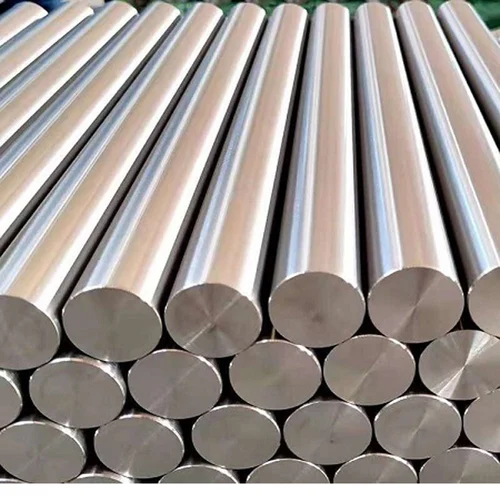 Forged Raw Billets stock
Blind Flange Standards & Specifications
Our forged Blind Flanges are engineered according to ASME, ANSI, DIN, EN, JIS, and BS standards:
| Standard / Spec | Scope / Application Details |
|---|---|
| 🇺🇸ANSI/ASME B16.5 | NPS ½" to 24" — the primary standard for most flanges |
| 🇺🇸ASME B16.47 Series A (MSS SP-44) | NPS 26" to 60" — large diameter |
| 🇺🇸ASME B16.47 Series B (API 605) | NPS 26" to 60" — large diameter (lighter) |
| 🇺🇸ASME B16.36 | Orifice flanges |
| 🇺🇸ASME B16.48 | Line blinds & spectacle blinds |
| 🇪🇺DIN 2501 / EN 1092-1 | European metric standard — PN ratings |
| 🇯🇵JIS B2220 | Japanese Industrial Standard |
| 🇬🇧BS 4504 / BS 10 Table D/E/F/H | British Standard |
| 🇺🇸MSS SP-44 | Large diameter steel pipeline flanges |
| 🇺🇸API 6A | Wellhead and Christmas tree equipment |
| 🇺🇸API 605 | Large diameter carbon steel flanges |
| 🇺🇸AWWA C207 | Water works flanges |
| 🇷🇺GOST 12820 / 12821 | Russian/CIS standard |
| 🇦🇺AS 2129 / AS 4087 / AS/NZS 4331.1 | Australian standard |
| 🇰🇷KS B1503 | Korean standard |
| 🌐ISO 7005-1 / ISO 9624 | International standard |
| 🇺🇸SAE J518 | Hydraulic flanged tube fittings |
| 🇨🇳GB Standard | Chinese national standard |
ASME B16.5 Blind Flange Dimensions Table
Dimensional chart for Class 150# and Class 300# forged Blind Flanges including minimum thickness and approximate weights. Dimensions per ASME B16.5. Weights are approximate for Carbon Steel A516 Gr.70:
Note: Class 900# thickness is typically 3.5× the Class 150# value. Always specify class when ordering — weight and price differ significantly.
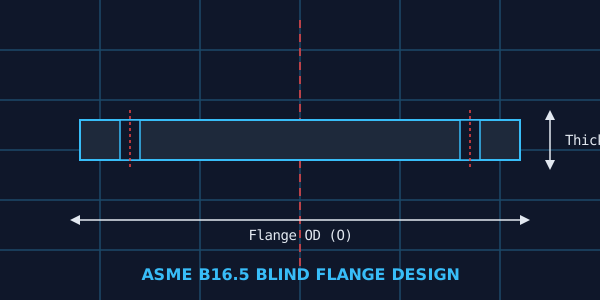
NPS↕ | Flange OD mm↕ | Bolt Circle mm↕ | No. Bolts↕ | Bolt Ø mm↕ | Min Thickness T (Class 150#) mm↕ | Min Thickness T (Class 300#) mm↕ | Approx Wt Class150 CS (kg)↕ | Approx Wt Class300 CS (kg)↕ |
|---|---|---|---|---|---|---|---|---|
| ½ | 89 | 60 | 4 | 16 | 9.6 | 14.3 | 0.3 | 0.5 |
| 1 | 108 | 79 | 4 | 16 | 11.2 | 17.5 | 0.5 | 0.8 |
| 2 | 152 | 121 | 4 | 19 | 12.7 | 22.4 | 1.0 | 1.8 |
| 3 | 190 | 152 | 4 | 19 | 14.3 | 28.6 | 1.8 | 3.5 |
| 4 | 229 | 190 | 8 | 19 | 16.7 | 31.8 | 2.8 | 5.8 |
| 6 | 279 | 241 | 8 | 22 | 20.6 | 38.1 | 5.5 | 10.5 |
| 8 | 343 | 298 | 8 | 22 | 23.9 | 44.5 | 9.5 | 18.0 |
| 10 | 406 | 362 | 12 | 25 | 27.0 | 50.8 | 15.0 | 29.0 |
| 12 | 483 | 432 | 12 | 25 | 28.6 | 57.2 | 22.0 | 43.0 |
| 16 | 597 | 540 | 16 | 29 | 34.9 | 66.7 | 42.0 | 82.0 |
| 20 | 699 | 635 | 20 | 32 | 41.3 | 79.4 | 70.0 | 137.0 |
| 24 | 813 | 749 | 20 | 35 | 47.6 | 90.5 | 108.0 | 210.0 |
* Blind flange thickness DOUBLES from Class 150# to 300# and increases 4–5× from 150# to 900#. Always specify your pressure class when ordering — the weight and price difference is significant. Dimensions per ASME B16.5. Weights are approximate for Carbon Steel A105.
Flange Face Types
Blind Flanges are available in RF (BLRF — standard for oil & gas), FF (BLFF — for cast iron mating flanges), and RTJ (BLRTJ — for high-pressure critical service). The face type must match the mating flange face.
Raised Face (RF)
Most common. A raised circular ring that concentrates pressure on a smaller area to compress the gasket. Height: 1/16" for Class 150/300; 1/4" for Class 400 and above.
Flat Face (FF)
No raised portion; entire flange face is in the same plane. Used when mating against cast iron or non-metallic flanges to avoid cracking on bolt tightening.
Ring Type Joint (RTJ)
Oval or octagonal groove machined into the face; a metal ring gasket seats in the groove. Used in high-pressure, high-temperature critical service (refineries, oil fields).
Tongue & Groove (T&G)
One flange has a raised ring (tongue); the other a matching groove. Provides excellent alignment and a confined gasket. Used in pumps and valve bonnets.
Male & Female (M&F)
Similar to T&G but the female face is flat and the male face raised. Used in heat exchangers, pressure vessels, and high-integrity process joints.
Large Male & Female
Same operating principle as the standard Male & Female flange, scaled up with larger step contact surfaces for specialized heavy industrial equipment.
Why Use a Blind Flange?
Blind Flanges serve several distinct use cases across industrial piping systems. Unlike Weld Neck or Slip On flanges that connect pipe sections, a Blind Flange closes them:
System Termination
Permanently seal the dead end of a pipeline (e.g. future expansion tap-off point).
Pressure Testing
Isolate a pipe section to hydro-test at 1.5× working pressure per code requirements.
Maintenance Isolation
Temporarily blank off a nozzle while connected equipment is under maintenance or repair.
Future Access Point
Install now, drill out later when future connection or branch connection is needed.
Vessel Nozzle Closure
Close unused nozzles on pressure vessels, storage tanks, columns, and reactors.
Utility Isolation
Block off utility connections (steam-out, purge, vent) when not in use.
Blind Flange vs Spectacle Blind — Which to Choose?
Industries & Applications
✓Primary Applications
Oil & Gas
Upstream extraction, midstream pipelines, downstream refineries.
Petrochemical
Chemical reactors, process lines, heat exchangers.
Power Generation
Boilers, steam turbines, nuclear plants, thermal power.
Pharmaceuticals
Hygienic piping, clean steam, pure water systems.
Food & Beverage
Sanitary flanges, sugar mills, beverage processing.
Paper & Pulp
Chemical recovery, bleaching lines.
Water Treatment
Municipal water, desalination, irrigation.
Shipbuilding
Offshore platforms, FPSOs, marine piping.
Chemical Plants
Acid service, caustic lines, solvent handling.
Construction
HVAC, fire suppression, utility headers.
Testing & Inspection
We implement a rigorous, zero-defect quality control protocol on all flange fabrications. Every production batch undergoes visual inspection and dimensional checking. Advanced NDT including ultrasonic testing, PMI spectrometer analysis, hydrostatic pressure testing, and magnetic particle examinations.
Hydrostatic / Hydro Pressure Test
Each flange pressure tested at 1.5x working pressure per ASME code requirements.
Ultrasonic Testing (UT)
Non-destructive testing to detect internal sub-surface cracks, inclusions and forging defects.
Radiographic Testing (RT / X-Ray)
100% radiography available; mandatory for critical Class 900+ high pressure services.
Positive Material Identification (PMI)
Spectrometer validation to verify alloy chemistry precisely matches the Mill Test Certificate.
Dye Penetrant Test (DPT / LPT)
Detects micro surface cracking and porosity on critical machined seating surfaces.
Magnetic Particle Inspection (MPI)
For ferromagnetic alloys; flags surface and near-surface structural discontinuities.
Hardness Test (Brinell/Rockwell)
Verifies correct heat treatment structure and ensures mechanical properties are hit.
Direct-Reading Spectrograph
In-house lab chemical checks of billets before forging process begins.
Impact / Charpy Test
Crucial for low-temperature applications to verify ductility (e.g. A350 LF2, LTCS).
NACE Compliance Testing
Verifies sour-gas / H2S environment service capability (NACE MR0175 / MR0103).
Documents & Certificates
We supply a comprehensive documentation package with every shipment — Mill Test Certificates (EN 10204 3.1), NACE compliance documentation, heat treatment records, hydrostatic test charts, and third-party inspection clearances from SGS, Lloyd's, and DNV.
Mill Test Certificate (MTC)
Provided as per EN 10204 3.1 detailing chemical & mechanical analysis.
EN 10204 3.2 Certificate
Independent third-party inspection validation (available upon request).
NACE MR0175 / MR0103 Compliance
Certified suitability for sour gas/H2S environments.
Raw Materials Certificate
Provides 100% trace origin tracking from steel billet to finished flange.
Dimensional Inspection Report
All critical tolerances checked and certified against CAD designs.
Heat Treatment Certificate
HTR and PWHT thermal chart records included where requested.
Hydrostatic Test Certificate
Pressure log documentation verifying weld integrity.
Third Party Inspection (TPI)
Bureau Veritas, SGS, Lloyds, DNV, TUV inspection options.
Packing List & Weight Certificate
Proper documentation for simple custom clearance and cargo log.
Country of Origin Certificate
Enables import tariff relief and compliance logging.
Blind Flange vs Other Isolation Options
Use this quick comparison to determine the right isolation solution for your application:
| Feature | Blind Flange | Spectacle Blind | Weld Neck Flange |
|---|---|---|---|
| Has Central Bore? | No — solid plate | No — blind disc + open ring | Yes — bore = pipe ID |
| Purpose | Permanent or rare isolation | Frequent cycling (maintenance) | Pipe connection |
| Stays Connected During Use? | No — removed to open flow | Yes — rotated in place | Always connected |
| Thickness at Higher Classes | Increases dramatically (4–5× from 150# to 900#) | Same principle | Standardized hub |
| Cost (150# CS) | Lowest for permanent close | Higher (two-piece assembly) | Highest (hub + machining) |
| Best For | Permanent closures & hydro-testing | Repeated isolation cycling | High-pressure piping joints |
| Vent/Drain Hole Option? | Yes — NPT threaded hole | Available on request | N/A |
Surface Finish & Coating Options
Anti-rust Paint
Standard protection coat applied on carbon steel flanges.
Oil Black Paint
High-grade finish offering superior long-term storage corrosion block.
Yellow Transparent Lacquer
Allows technical inspectors to visually inspect metal surface during receiving.
Zinc Plated
Electro-galvanized bright zinc barrier layer for light industrial environments.
Hot Dip Galvanized (HDG)
Thick zinc alloy barrier layer for maximum outdoor marine rust protection.
Epoxy Coating
FBE or liquid epoxy coating for heavy buried pipelines and sewage lines.
Bare/Pickled & Passivated
Chemical acid cleaning to restore corrosion resistance for stainless steel.
Custom Coating
Special finishes customized exactly to customer painting specifications.
Export Markets
Global Export Network
Why Choose Remax Forge?
Remax Forge & Fittings stands out as a leading flange manufacturer due to our complete in-house forging, heat treatment, and precision CNC machining capabilities based in Mumbai. We provide certified compliance, factory-direct wholesale pricing, and custom forging schedules tailored to your engineering blueprints. With over 20 years of manufacturing experience, zero-defect quality management, and short lead times, we are a trusted supply partner for critical industrial piping projects.
ISO 9001:2015 Certified
Fully audited quality management workflows.
In-House Forging
Forging, heat-treat, machining in Mumbai.
Testing Laboratory
PMI, Spectro, UT, Hydro labs on-site.
Mill Certificates
EN 10204 3.1 standard; 3.2 available.
20+ Years Experience
Serving critical gas/oil clients globally.
45+ Export Countries
Proven global logistics and documentation.
Custom Forging
Special shapes, alloys and schedules.
Factory-Direct Price
Competitive pricing with no agent markup.
Technical Support
Engineers ready to assist spec selection.
Short Lead Times
Fast turnaround of custom and stock orders.
📥 Download Blind Flange Catalogue (PDF)
Get the complete technical catalogue including product description, full ASME B16.5 Class 150# & 300# dimension and weight tables, material grades, standards — ready to attach to your RFQ.
How to Order
Ordering high-quality forged flanges from Remax is straightforward. To ensure our engineering team provides you with a precise and competitive quote, please specify the exact flange type, nominal pipe size (NPS), pressure class rating, material grade, and facing configuration. Let us know your total quantity requirements and if you require any specialized testing or custom coatings. Contact us via email or phone for a quick, same-day response.
Direct Inquiries
Estimated Lead Times
Frequently Asked Questions
Find answers to the most common questions about Blind Flanges — including Blind vs Spectacle Blind, thickness differences by class, vent holes, face types, and special alloy availability.
Related Products
Compare our comprehensive range of industrial flanges to find the perfect fit for your piping project.
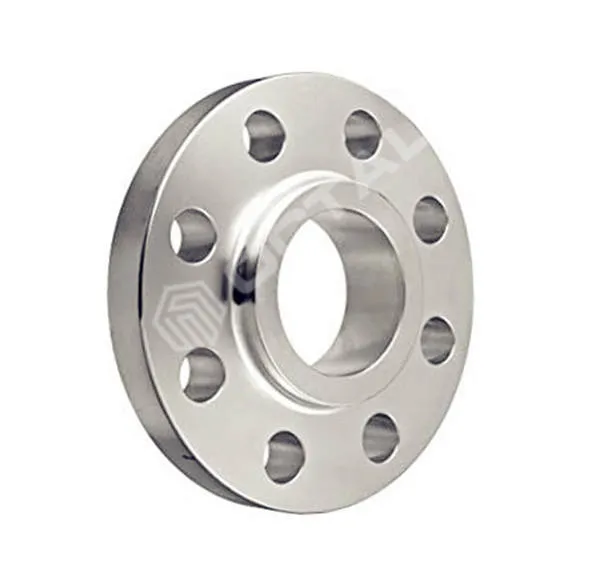
Slip On Flange
Slides over pipe. Cost-effective and simple.
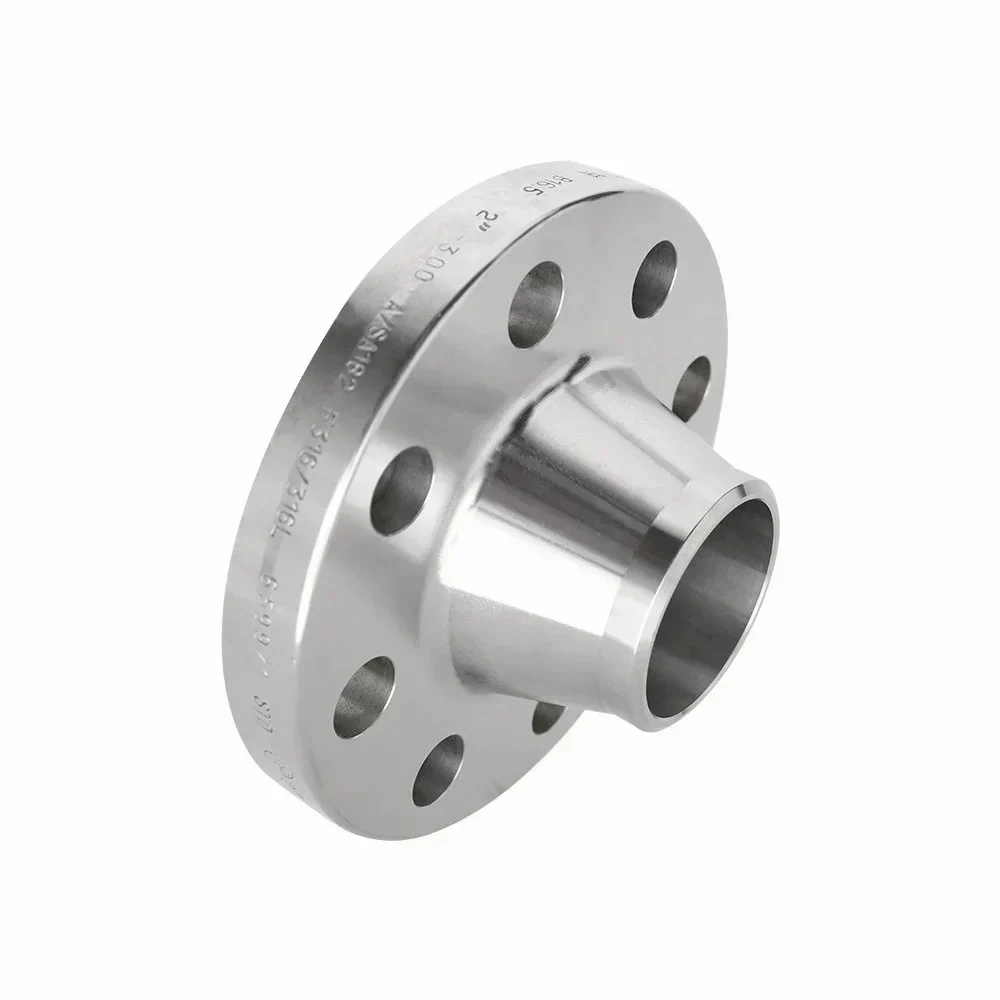
Weld Neck Flange
Tapered neck for high pressure and temperature service.
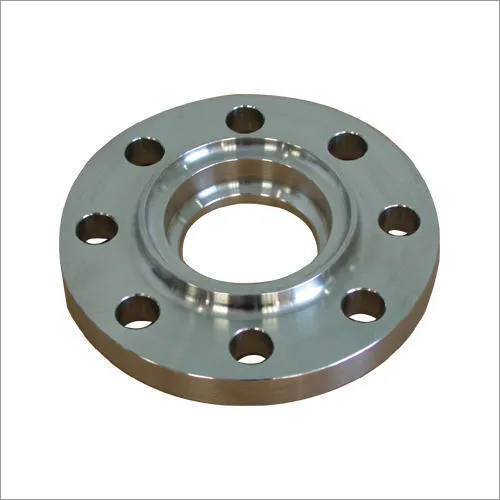
Socket Weld Flange
Shoulder socket. Great for high-pressure small lines.
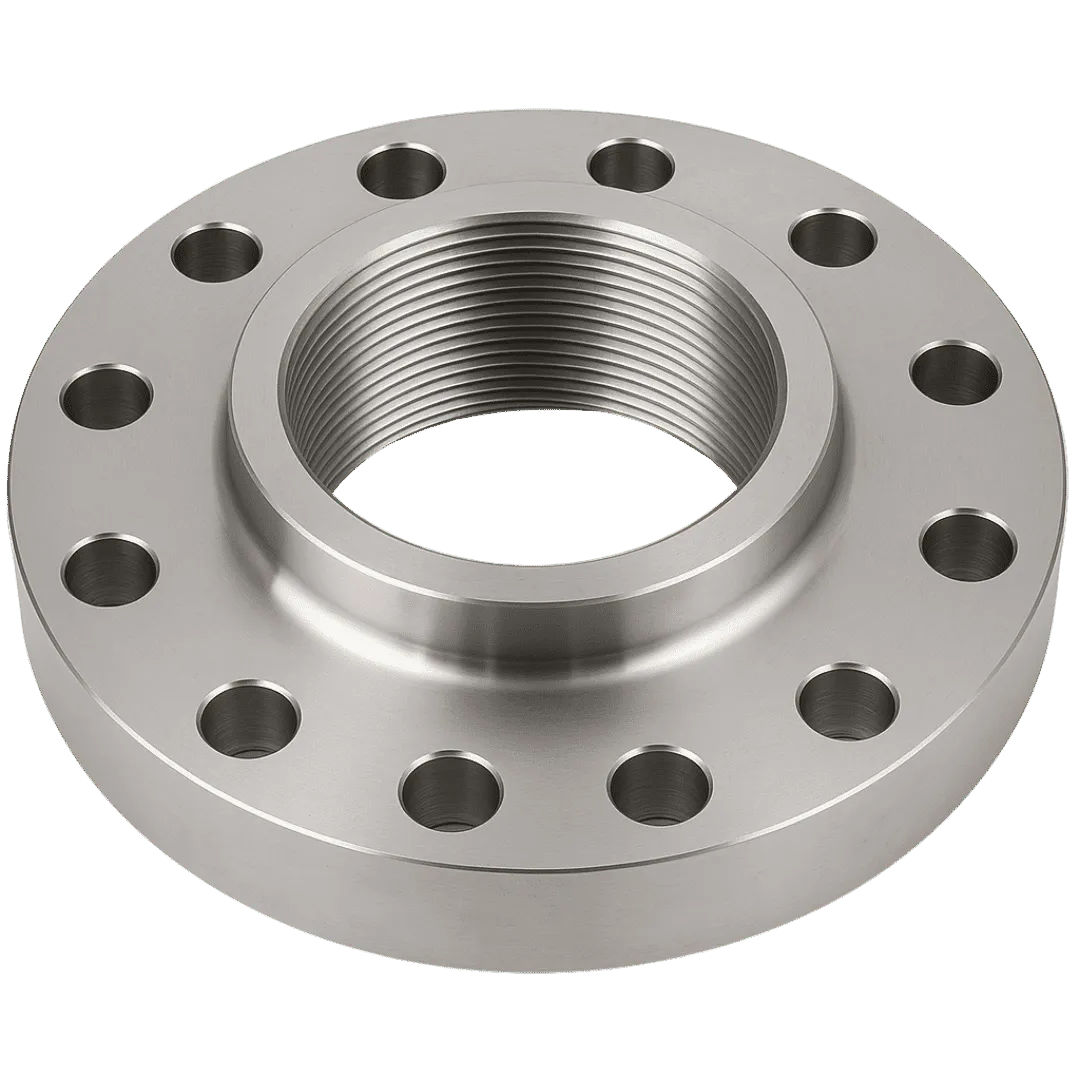
Threaded Flange
No welding needed. Screws onto standard pipes.
Fill this form and get a quote in 30 minutes — guaranteed
Let our experts take over from here!